Commercial Security Cameras vs Residential Security Cameras
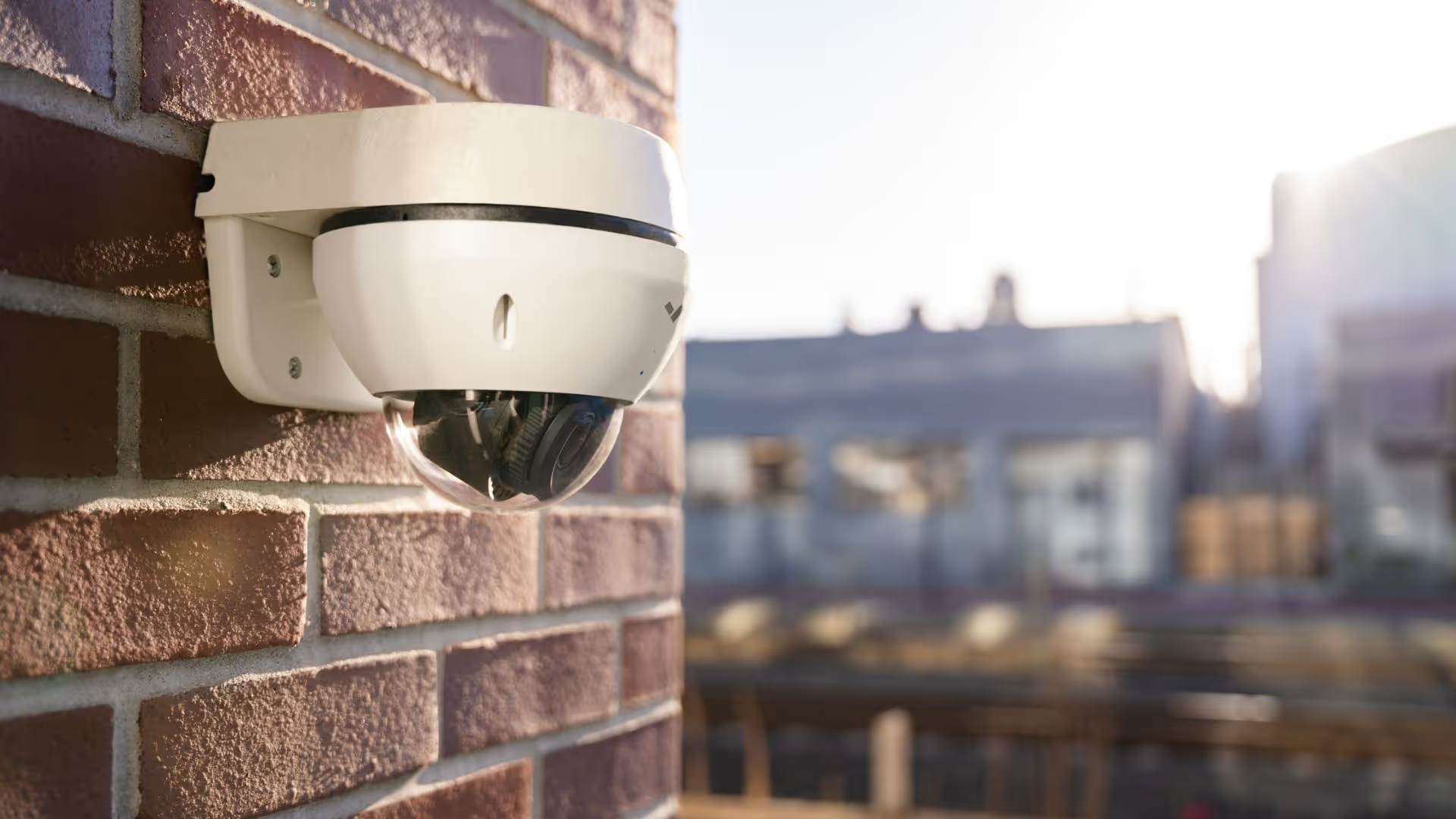

Security cameras have become a key part of modern safety, whether you are protecting a home, an office, or an entire commercial property. While both residential and commercial security cameras share the same core purpose of monitoring activity and deterring threats, their design, features, and use cases are very different.
Understanding these differences can help you choose the right system for your space and avoid over- or under-securing what matters most.
Scope and Coverage
One of the biggest differences between commercial and residential security systems is the size of the area being monitored.
Commercial Security Cameras
Commercial properties such as office buildings, retail stores, warehouses, and industrial facilities often span large areas and have multiple access points. To effectively monitor these environments, commercial systems typically use:
- Multiple high-resolution cameras
- Strategic placement covering entrances, exits, parking lots, and sensitive internal areas
- Systems designed to manage and store large volumes of footage
The goal is comprehensive, continuous coverage that supports both real-time monitoring and long-term review.
Residential Security Cameras
Residential systems are designed for smaller, more contained spaces. Homeowners usually focus on key locations such as:
- Front and back doors
- Driveways
- Garages or common living areas
Rather than covering every inch of a property, residential systems prioritize visibility in the most important areas to deter intrusions and provide peace of mind.
System Complexity and Features
Another major distinction comes down to how advanced and integrated the systems are.
Commercial Security Systems
Commercial camera systems are typically more complex and may include features such as:
- Access control integration to manage and monitor who enters and exits the building
- Advanced video analytics that detect unusual activity, count people, or recognize license plates
- Centralized monitoring that allows security teams to view multiple camera feeds in real time
- High storage capacity to retain footage for extended periods, often for compliance or investigations
Because of this complexity, commercial systems usually require professional installation and ongoing maintenance to ensure everything functions properly.
Residential Security Systems
Home security systems are built with simplicity and convenience in mind. Common features include:
- Motion detection that alerts homeowners to activity
- Smartphone integration for remote viewing and control
- Two-way audio for communicating through the camera
- Wireless connectivity that allows for easier, less invasive installation
Many residential systems are designed for DIY setup, making them an attractive option for homeowners looking for a straightforward solution.
Monitoring and Response
How a security system is monitored, and how quickly someone responds, can make a big difference.
Commercial Monitoring
Businesses often require continuous monitoring, either through in-house security staff or third-party monitoring services. This allows for immediate response to incidents, faster escalation when suspicious activity occurs, and reduced risk of loss or damage.
This proactive approach is especially important in environments where downtime or theft can have a significant financial impact.
Residential Monitoring
Most residential systems rely on automated alerts sent directly to homeowners. Some homeowners choose professional monitoring services, but many prefer self-monitoring to keep costs down.
While this approach is flexible and affordable, it also means response times may vary, especially if the homeowner is unavailable when an alert comes through.
Durability and Design
The environment where a camera is installed plays a major role in how it is built.
Commercial Cameras
Commercial security cameras are designed for demanding conditions. They typically feature rugged, weather-resistant housing, components built for continuous operation, and reliable performance across a wide range of environments.
Durability and uptime are top priorities in commercial settings.
Residential Cameras
Residential cameras are still built to last, but they often place more emphasis on aesthetic design that blends into home environments. They are usually more compact and less industrial in appearance.
Because residential cameras are installed in less extreme conditions, they do not need the same level of ruggedization as commercial systems.
Cost Considerations
Budget is often a deciding factor when choosing a security system.
Commercial Systems
The advanced features, scalability, and durability of commercial systems contribute to higher overall costs. Expenses often include professional installation, ongoing maintenance, monitoring services, and larger storage requirements.
These investments are typically justified by the scale and complexity of commercial security needs.
Residential Systems
Residential security systems are generally more budget-friendly. With a wide range of options available, from basic setups to more advanced smart systems, homeowners can choose solutions that fit both their security needs and their budget.
The availability of wireless and DIY options has also made home security more accessible.
Legal and Privacy Considerations
Both commercial and residential security systems need to be used responsibly.
Commercial Use
Businesses must comply with regulations around surveillance, especially in public or employee areas. This often includes proper signage indicating surveillance, compliance with data protection laws, and careful camera placement to avoid privacy violations.
Residential Use
Homeowners also need to be mindful of privacy, particularly when cameras capture areas beyond their property lines. It is important to ensure that surveillance does not infringe on neighbors’ privacy or violate local laws.
Choosing the Right Security System
While both commercial and residential security cameras serve the same fundamental purpose of protecting people and property, their applications and requirements differ significantly.
Commercial systems focus on comprehensive coverage, advanced features, and professional oversight to address complex security challenges. Residential systems emphasize ease of use, affordability, and targeted monitoring to give homeowners peace of mind.
When selecting a security system, consider factors such as property size, potential risks, monitoring needs, and budget. Consulting with security professionals can help ensure your system is tailored to your environment and provides the right level of protection without unnecessary complexity.
Latest Technology Trends and Strategies
Insights for leaders who want results.
.png)

Keep Your Business Running with 24/7 IT Support
Get reliability, security, and peace of mind from a partner that picks up every time. Fill out a quick form and get in touch with us today!