Securing the Digital Frontier: SIEM, SOAR, and XDR Explained
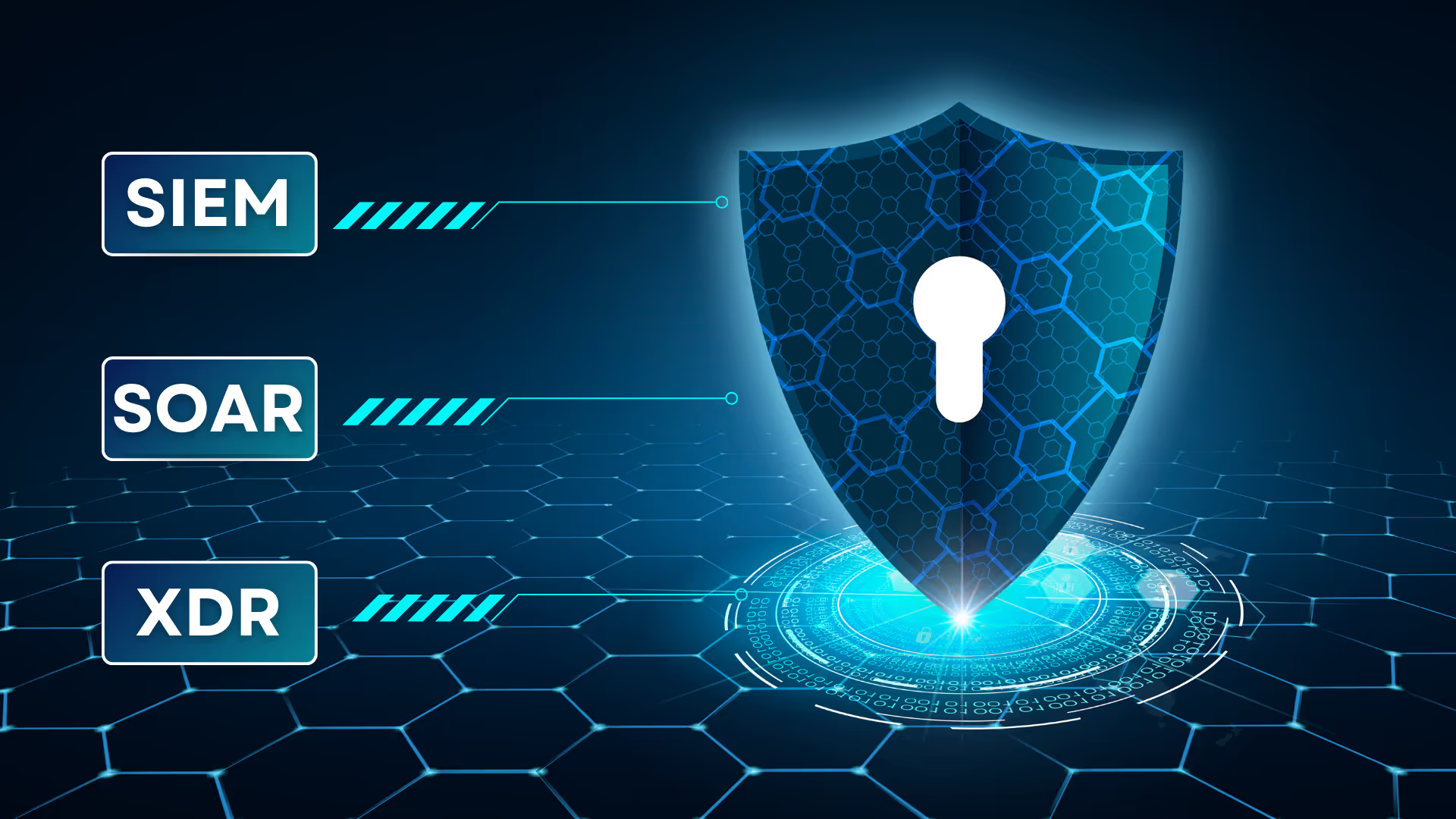

In today's rapidly evolving cybersecurity landscape, organizations need robust tools to defend against increasingly sophisticated threats. Three key technologies have emerged as crucial components of modern security operations: Security Information and Event Management (SIEM), Security Orchestration, Automation and Response (SOAR), and Extended Detection and Response (XDR). Let's explore these technologies and understand their unique roles in strengthening an organization's security posture.
SIEM: The Foundation of Security Monitoring
Security Information and Event Management (SIEM) serves as the cornerstone of many security operations centers. SIEM systems collect and analyze log data from various sources across an organization's IT infrastructure, including on-premises and cloud environments.
Key Features of SIEM:
- Data aggregation from multiple sources
- Real-time analysis of security alerts
- Correlation of events to identify potential threats
- Compliance reporting and auditing capabilities

85%
Product Quality Index
92%Energy Generation
SIEM solutions excel at providing a centralized view of an organization's security landscape, making them invaluable for threat detection and compliance management.
SOAR: Automating Security Responses
While SIEM focuses on collecting and analyzing data, Security Orchestration, Automation and Response (SOAR) takes security operations a step further by automating responses to detected threats. By automating routine tasks and orchestrating complex workflows, SOAR helps security teams respond to threats more quickly and efficiently, reducing the strain on often overworked IT staff.
SOAR Platforms Offer:
- Orchestration of security tools and processes
- Automation of repetitive tasks
- Streamlined incident response workflows
- Integration with existing security tools

85%
Product Quality Index
92%Energy Generation
XDR: The Next Evolution in Threat Detection and Response
Extended Detection and Response (XDR) represents the latest advancement in security technologies, building upon the foundations laid by SIEM and SOAR. XDR platforms collect and correlate data from multiple security layers, including endpoints, networks, and cloud environments.
Key Benefits of XDM:
- Unified threat visibility across the entire IT ecosystem
- Advanced threat detection using AI and machine learning
- Automated investigation and response capabilities
- Streamlined security operations through a single console
85%
Product Quality Index
92%Energy Generation
By providing a more holistic view of an organization's security posture, XDR enables faster threat detection and more effective responses to complex, multi-vector attacks.
Comparing the Technologies
While SIEM, SOAR, and XDR all contribute to improving an organization's security posture, they each have distinct strengths:
SIEM
Excels at log collection and analysis, providing a comprehensive view of security events and supporting compliance efforts
SOAR
Focuses on automating security processes and orchestrating responses, improving efficiency, and reducing response times.
XDR
Offers the most comprehensive approach, combining advanced threat detection with automated response capabilities across multiple security layers.
The Importance of Integration
In today's complex threat landscape, organizations often benefit from integrating these technologies. For example, combining SIEM's robust data collection and analysis capabilities with SOAR's automation features can significantly enhance incident response processes. Similarly, XDR can build upon the foundations laid by SIEM and SOAR, providing even more advanced threat detection and response capabilities.
As cyber threats continue to evolve, organizations must leverage advanced security technologies to protect their digital assets. SIEM, SOAR, and XDR each play crucial roles in modern cybersecurity strategies. By understanding the strengths of each technology and how they complement one another, organizations can build more robust and effective security operations, better equipped to face the challenges of today's threat landscape.
Remember, the key to a strong security posture lies not just in implementing these technologies, but in integrating them effectively and continually adapting your approach to meet new and emerging threats.
Let's Talk!
Latest Technology Trends and Strategies
Insights for leaders who want results.
.png)

Keep Your Business Running with 24/7 IT Support
Get reliability, security, and peace of mind from a partner that picks up every time. Fill out a quick form and get in touch with us today!