Which Security Metrics Actually Protect Your Business?

.png)
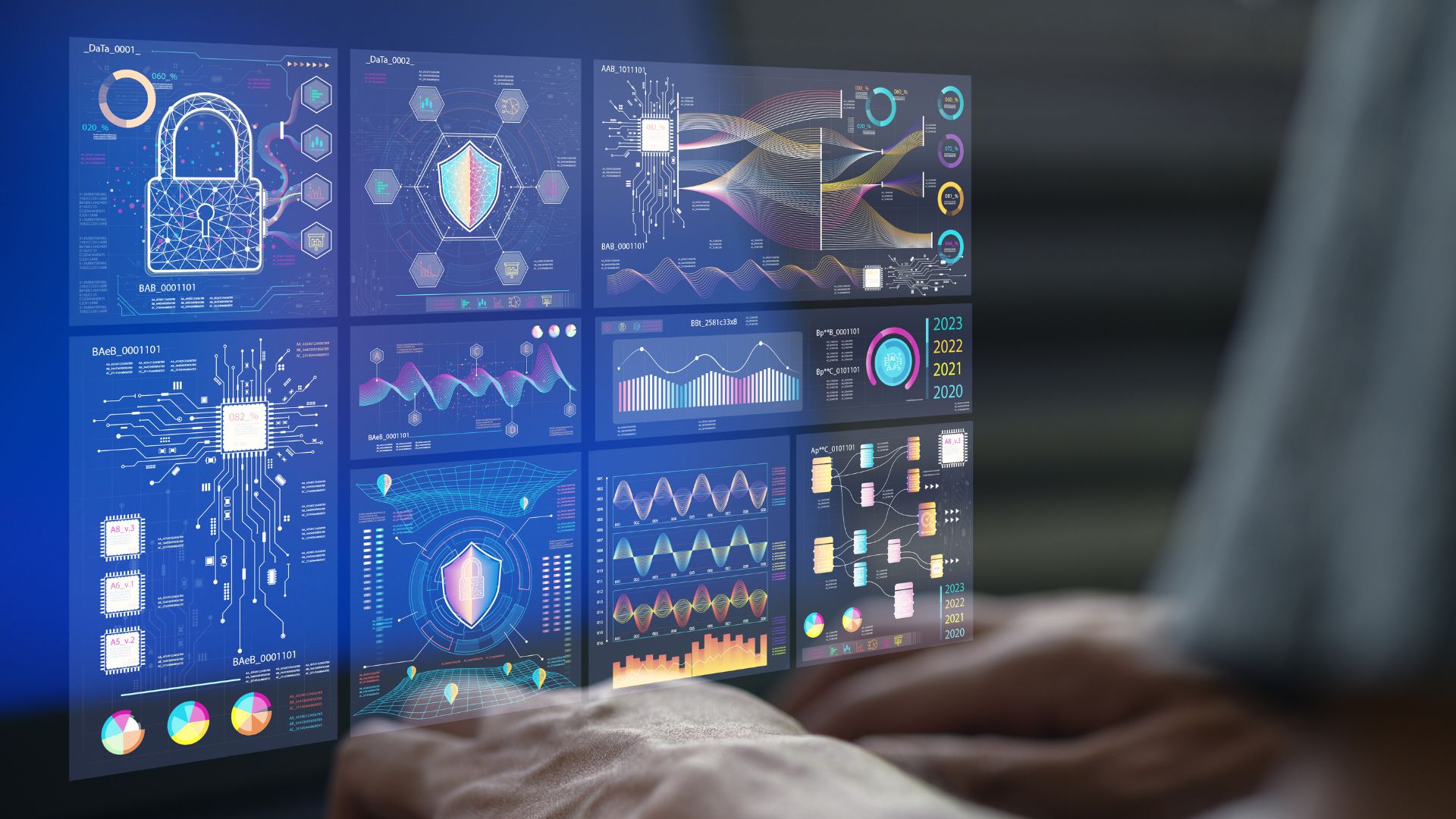
It’s easy to assume that "more" cybersecurity numbers and metrics automatically mean better protection. Dashboards light up with thousands of blocked emails, millions of attempted attacks, and a steady stream of alerts. On the surface, it feels reassuring. But those numbers usually tell you how busy your tools are, not how well your organization would actually hold up if something slipped through.
For many small and midsize businesses in 2026, reporting still focuses on activity instead of resilience. What’s being stopped is visible. What’s harder to see - and not shared as often - is how quickly you’d detect a real issue, how effectively teams would respond, and how much impact it would have on the business.
There's plenty of security metrics make you feel safer. But we want to educate you on the ones that actually make you safer.
As AI-driven attacks become faster and more automated, and regulations continue to tighten, business leaders need metrics that measure resilience. Cybersecurity has moved beyond IT. It now plays a direct role in business continuity. Traditional monthly reports often create a false sense of security. They focus on what already happened while missing the blind spots attackers exploit in real time. Modern cyber threats don’t take weeks to spread. They can move in minutes.
That’s why leading security teams focus on operational metrics that directly protect revenue, productivity, and customer trust.
Many organizations proudly report numbers like:
- “We blocked 10,000 phishing emails this month.”
- “Our firewall stopped 5 million attacks.”
- “Our antivirus scanned every device.”
These sound impressive, but they don’t answer the questions executives actually care about:
- How quickly can we stop an attack?
- How long would operations be down?
- How much revenue would a disruption cost?
- Are we meeting regulatory requirements?
- Can we recover without major business impact?
The Core Metrics That Prevent Downtime and Data Breaches
In today’s environment, speed matters. Businesses are judged by how quickly they can recover and keep operations moving.
Time to Remediate
No company blocks every attack. What matters is how quickly threats are identified, isolated, and eliminated.
Mean Time to Remediate (MTTR) measures the time between detection and complete remediation.
A lower response time leads to:
- Less downtime
- Smaller financial losses
- Reduced ransomware impact
- Lower legal exposure
Automated exploit kits can weaponize new vulnerabilities within hours. Slow response times increase the risk.
Patching Velocity
Every new vulnerability creates a race. Attackers already know about it. The question is "How long are your systems exposed before patches are applied?" Patching velocity measures the time between vulnerability disclosure and full protection across your environment.
When security is consistently monitored and updates are applied regularly, it leads to:
- Closing any exposure windows faster
- Protecting remote and distributed teams
- Reducing ransomware risk
- Maintaining compliance requirements
Actual Recovery Time vs. Objective Recovery Time
Most companies have backup plans. Fewer know how well those plans perform in real conditions.
- Recovery Time Objective (RTO): How quickly systems are expected to recover
- Recovery Time Actual (RTA): How quickly they recover in practice
The gap between the two is where risk lives. If your goal is four hours but recovery takes sixteen, your plan needs attention. Organizations should regularly test and validate:
- Restoration speed
- Application availability
- Data integrity
- User accessibility
Reliable recovery comes from proven performance, not assumptions.
Industry-Specific Metrics That Matter Most
Different industries face different risks. StoredTech helps organizations focus on the metrics that matter most to both regulators and operations teams.
Why This Matters
According to IBM’s Cost of a Data Breach Report, organizations that experience greater levels of business disruption face significantly higher costs. The impact goes beyond data recovery. Lost productivity, operational delays, customer dissatisfaction, and reputational damage all contribute to the total cost.
For many SMBs, even a few hours of downtime can meaningfully affect revenue and customer trust.
StoredTech's Blueprint: Turning Data Into Business ROI
Security tools generate large amounts of data. What executives need is clarity. StoredTech simplifies complex technical signals into business-focused insights that answer key questions:
- Where are our biggest risks?
- What should we address first?
- How quickly can we recover in the case of an incident?
- Are we compliant?
With proactive monitoring and 24/7 in-house support, StoredTech helps organizations turn metrics into outcomes:
- Reduced operational disruption
- Faster incident response
- Stronger compliance documentation
- Improved cyber insurance positioning
- Increased stakeholder confidence
- Greater digital trust
Security decisions become easier when the data clearly connects to business impact. If you want to learn more about the industries we support, click or tap here.
Stop Guessing. Start Measuring What Matters.
StoredTech helps organizations focus on the metrics that protect operations, reduce downtime, and support long-term growth. Reach out and see how we can help your business today!
.jpg)
Keep Your Business Running with 24/7 IT Support
Get reliability, security, and peace of mind from a partner that picks up every time. Fill out a quick form and get in touch with us today!