Structured Cabling vs. Traditional Wiring: What’s the Difference?
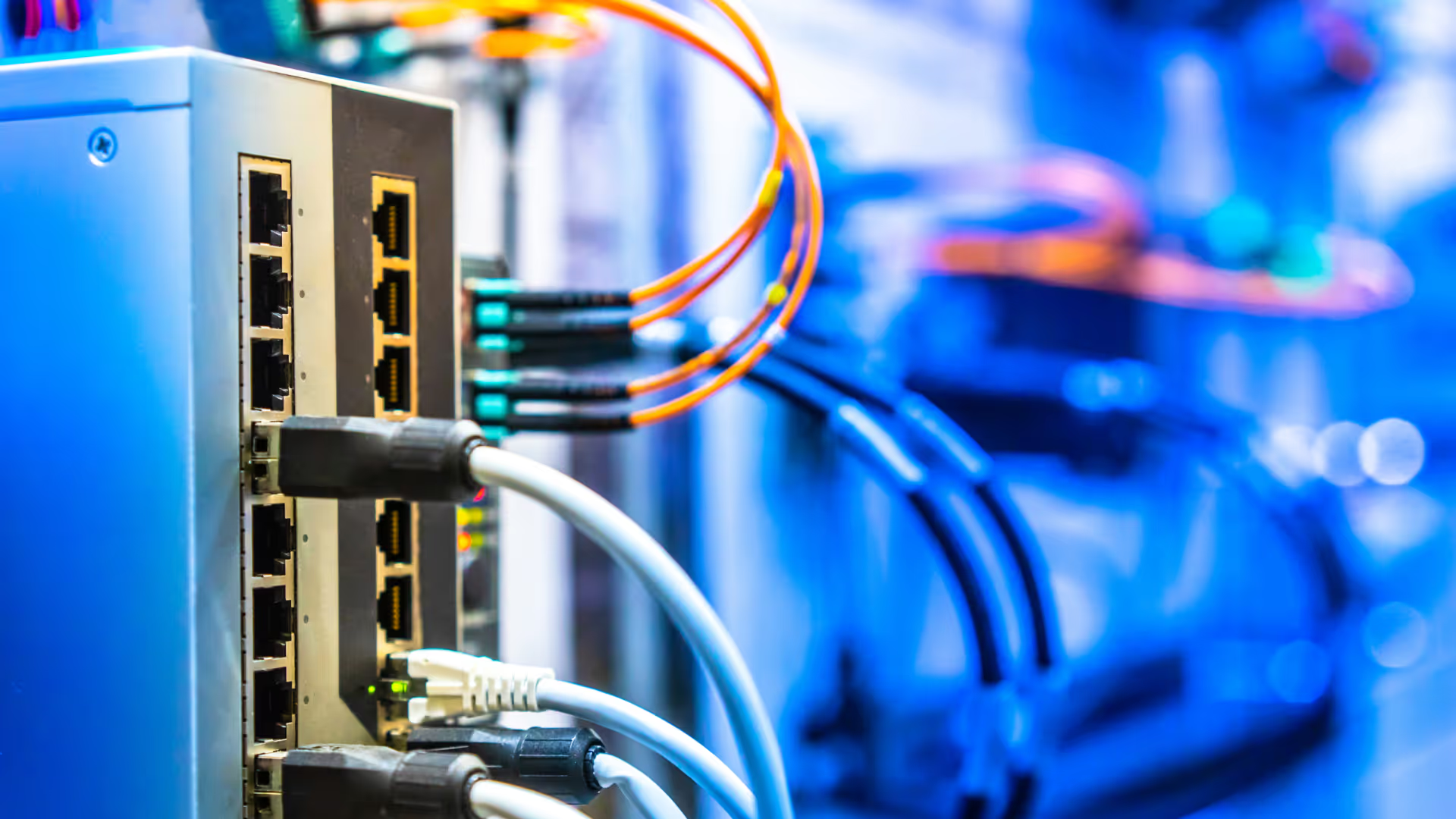

For many businesses, the infrastructure that supports our communication and data transfer needs is more critical than ever. There are two primary methods of cabling, structured cabling and traditional wiring. Understanding the distinctions between these systems is essential for businesses and individuals aiming to establish efficient, scalable, and reliable networks.
What is Traditional Wiring?
Traditional wiring, often referred to as conventional or point-to-point cabling, involves running individual cables directly between devices. This method connects each device to its corresponding network or power source without a centralized framework. While it may suffice for simple setups with minimal devices, traditional wiring can become cumbersome and inefficient as the number of connected devices increases.
What is Structured Cabling?
Structured cabling is a working system designed to support a wide range of hardware uses in a unified manner. It utilizes a series of standardized smaller elements called subsystems, including entrance facilities, equipment rooms, backbone cabling, horizontal cabling, telecommunications rooms, and work areas. This approach facilitates seamless integration and scalability, allowing for easy additions or changes without disrupting the overall system.
What Are the Differences Between Structured Cabling and Traditional Wiring?
- Organization and Management
- Traditional Wiring: Often results in a tangled web of cables, making management, troubleshooting, and maintenance challenging.
- Structured Cabling: Offers a neat and organized infrastructure with clearly labeled connections, simplifying management and reducing the time required for troubleshooting.
- Scalability and Flexibility
- Traditional Wiring: Adding or relocating devices necessitates running new cables, leading to potential disruptions and increased labor costs.
- Structured Cabling: Designed with future growth in mind, it allows for easy scalability. New devices can be integrated seamlessly without significant changes to the existing infrastructure.
- Performance and Reliability
- Traditional Wiring: Prone to signal interference and degradation, especially over longer distances, which can compromise network performance.
- Structured Cabling: Utilizes high-quality cables, such as fiber optics, ensuring higher data transfer speeds and reliable network performance with minimal interference.
- Cost Implications
- Traditional Wiring: May have lower initial installation costs but can lead to higher expenses over time due to maintenance, troubleshooting, and the need for upgrades.
- Structured Cabling: While the upfront investment may be higher, it results in significant long-term cost savings by reducing the need for frequent maintenance or upgrades and enhancing overall efficiency.
- Aesthetics and Space Utilization
- Traditional Wiring: Can create cluttered spaces with visible cables, detracting from the professional appearance of an environment.
- Structured Cabling: Promotes efficient use of space with concealed and organized cabling, contributing to a cleaner and more professional setting.
When to Choose Structured Cabling
If you’re debating whether structured cabling is right for your business, consider these scenarios:
- Scaling Your Operations: If you plan to expand, structured cabling enables you to add devices and resources without starting from scratch.
- Adopting Cloud Solutions: Structured cabling supports a smooth transition to cloud-based systems, ensuring consistent connectivity and performance.
Seasonal Workforce - Adjustments: For businesses that adjust employee or subcontractor access during busy periods, structured cabling facilitates seamless changes in connectivity and data accessibility.
- Aesthetic and Professionalism Needs: In client-facing environments, structured cabling helps maintain a tidy, professional look.
Structured cabling isn’t just about organizing wires, it’s about building a scalable, modern infrastructure that grows with your business. It offers a reliable foundation for current demands while enabling you to adapt effortlessly to future technologies.
Whether you’re setting up a new workspace, upgrading your current infrastructure, or transitioning to a cloud-based environment, StoredTech has the expertise to design and implement a structured cabling solution tailored to your needs.
Latest Technology Trends and Strategies
Insights for leaders who want results.
.png)


Keep Your Business Running with 24/7 IT Support
Get reliability, security, and peace of mind from a partner that picks up every time. Fill out a quick form and get in touch with us today!